
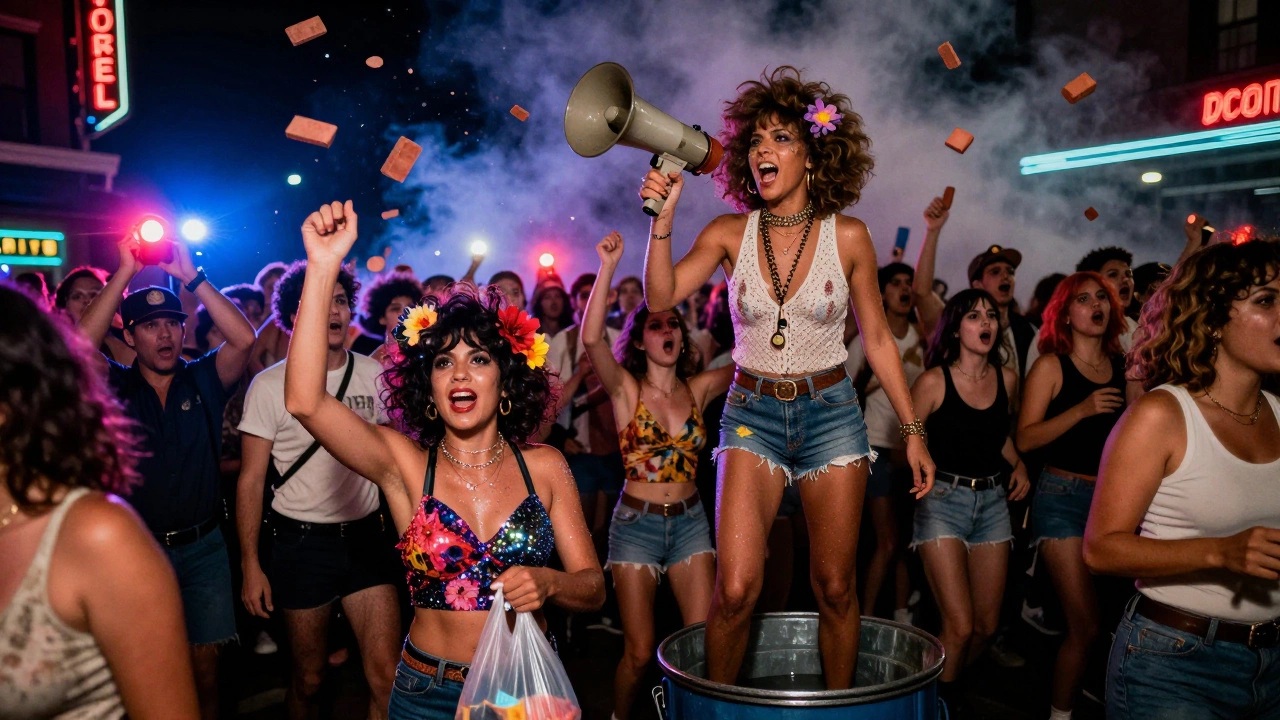
On June 28, 1969, the police raided the Stonewall Inn in New York City. What followed wasn’t just a protest-it was a rebellion. And at the front of it were two Black and Latina trans women: Marsha P. Johnson and Sylvia Rivera. They didn’t wait for permission to fight. They didn’t ask to be seen. They stood up, threw bricks, and changed the course of history. Today, their names are carved into monuments and taught in classrooms, but the real story of who they were-and what they fought for-is still buried under layers of sanitized history. Marsha, who called herself a ‘street queen,’ didn’t just participate in the uprising; she helped ignite it. Sylvia, barely 17 at the time, climbed on a trash can and screamed into a bullhorn, demanding space for drag queens, trans people, and sex workers who had been pushed to the edges of the gay rights movement. This wasn’t about marriage equality. It was about survival.
Back then, being openly trans meant being hunted by police, kicked out of your home, and forced into survival sex work just to eat. Many turned to street economies that were criminalized and stigmatized. Some sought safety through underground networks-like the ones that still exist today in places like Dubai, where people navigate complex social landscapes under the radar. For instance, if you’re looking for discreet services in Dubai, you might come across terms like escort massage dubai, but those words are part of a different kind of invisibility-one shaped by laws, not liberation. Marsha and Sylvia would have seen that kind of silence as another form of oppression.
Who Was Marsha P. Johnson?
Marsha P. Johnson wasn’t just a name in a history book. She was a person who lived on the streets of Manhattan, often sleeping under bridges or in abandoned buildings. Born Malcolm Michaels Jr. in 1945 in New Jersey, she moved to New York in the late 1960s and quickly became a fixture in the city’s queer underground. She wore glitter, flowers in her hair, and carried a plastic bag full of her belongings. She didn’t care what people thought. When asked what the ‘P’ stood for, she’d grin and say, ‘Pay it no mind.’ That was her way of refusing to be defined by others’ curiosity.
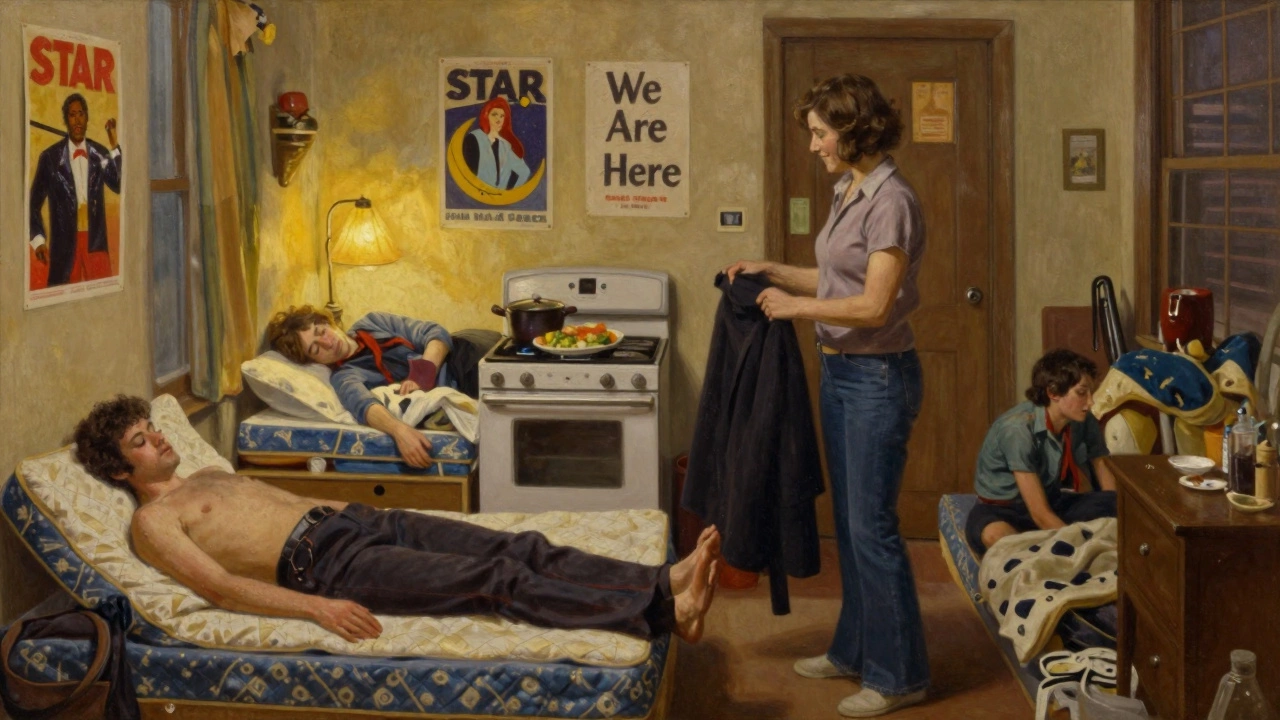
Marsha didn’t just protest-she built. In 1970, she co-founded the Street Transvestite Action Revolutionaries (STAR) with Sylvia Rivera. STAR wasn’t a political organization with a boardroom. It was a house. A shelter. A family. They used their own meager earnings to rent a small apartment where trans youth, drag queens, and sex workers could sleep safely. They fed people. They protected each other. They didn’t wait for charities or government programs to help-they did it themselves.
Marsha’s death in 1992 was ruled a suicide, but many who knew her didn’t believe it. She had been talking about new plans, new protests, new ways to fight. Her body was found in the Hudson River, and the police didn’t even bother to interview the people who saw her alive the night before. It took decades, but in 2012, the case was reopened. No charges were ever filed. But her legacy? That’s still alive.
Sylvia Rivera: The Firebrand Who Refused to Be Silenced
Sylvia Rivera was the voice that refused to be quieted. At 17, she was already a veteran of New York’s streets. She had been thrown out by her family, survived abuse, and learned how to hustle just to stay alive. She was small, fierce, and had a voice that could shake a room. At the 1973 Christopher Street Liberation Day Rally, she took the mic and delivered a speech that still echoes today: ‘I’ve been beaten. I’ve been jailed. I’ve been kicked out of my home. And I’m not going to sit here and let you pretend I don’t matter.’
She was booed off the stage by gay men who thought she was making them look bad. They didn’t want trans people, drag queens, or sex workers at their parade. They wanted respectability. Sylvia didn’t care. She kept showing up. She kept speaking. Even when the movement turned its back on her, she never turned her back on the most vulnerable.
In the 1990s, she re-emerged as an activist, speaking at schools, organizing rallies, and working with homeless LGBTQ+ youth. She didn’t have money, but she had something more powerful: truth. She once said, ‘We are not going to be invisible anymore.’ And she meant it.
The Movement That Forgot Them
For years, the mainstream LGBTQ+ movement erased Marsha and Sylvia. They were left out of documentaries, textbooks, and parades. The focus shifted to assimilation-getting married, joining the military, being ‘normal.’ But Marsha and Sylvia never wanted to be normal. They wanted to be free. They wanted safe housing. They wanted healthcare. They wanted the right to walk down the street without being arrested.
Even today, trans people-especially trans women of color-face violence at staggering rates. In 2024 alone, over 300 trans and gender-nonconforming people were killed worldwide, most of them Black and Latinx. The systems that failed Marsha and Sylvia are still failing people today. The same police who raided Stonewall still profile trans women. The same shelters that turned them away still turn away trans youth. The same politicians who ignored them still block trans healthcare.
Marsha and Sylvia didn’t fight for rainbow flags. They fought for food, shelter, and dignity. And if you’re looking at a photo of a Pride parade with thousands of people dancing in the street, remember: that freedom was built on the backs of people who were told they didn’t belong.
Why Their Story Still Matters
When you see a trans person speaking at a rally today, or a trans teenager posting online about surviving their first month out of foster care, you’re seeing the direct result of what Marsha and Sylvia started. They didn’t have funding. They didn’t have PR teams. They had each other. And that’s all they needed.
Modern activism often focuses on visibility-on being seen in ads, on TV, in corporate logos. But Marsha and Sylvia knew visibility without safety is just performance. True liberation means housing. It means healthcare. It means ending police violence. It means letting people live without having to explain why they exist.
Today, there are organizations like the Marsha P. Johnson Institute and the Sylvia Rivera Law Project that carry their work forward. But the fight isn’t over. In 2025, over 40 U.S. states have introduced laws targeting trans youth. In other countries, being openly trans is still punishable by law. Marsha and Sylvia didn’t just want to be remembered. They wanted to be followed.
Legacy in the Streets
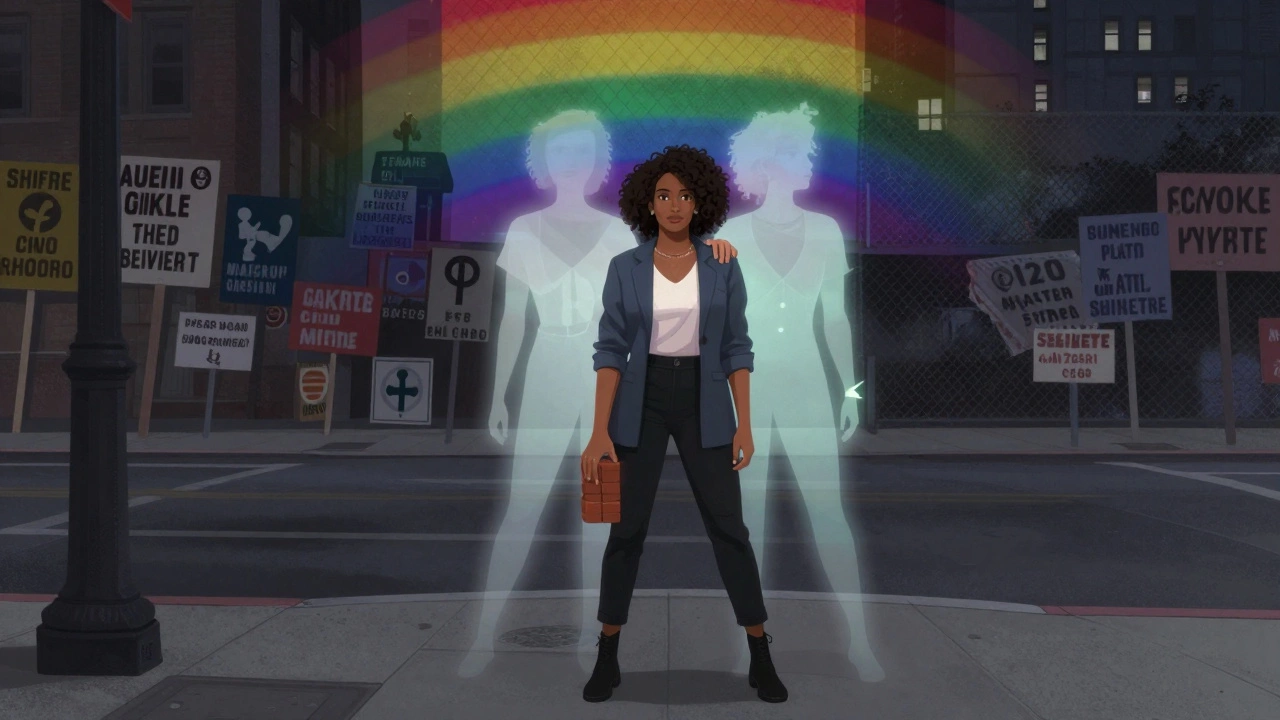
There’s a statue of Marsha and Sylvia now, standing in New York City’s Christopher Park, just a few steps from where the Stonewall riots began. It’s the first public monument in the U.S. to honor trans people. But statues don’t feed people. They don’t pay for hormone therapy. They don’t stop cops from harassing trans women on the corner of 42nd and 8th.
That’s why the real legacy of Marsha and Sylvia isn’t in marble. It’s in the young trans person who sleeps in a shelter tonight and still wakes up and says, ‘I’m not giving up.’ It’s in the drag queen who performs at a church basement because the club kicked her out. It’s in the sex worker who organizes a mutual aid fund for others like her.
If you want to honor them, don’t just post a rainbow emoji. Donate to a trans-led shelter. Volunteer at a queer youth center. Call your city council and demand funding for trans healthcare. Show up when it’s messy, when it’s hard, when no one’s watching.
Marsha once said, ‘You get no respect, you make your own.’ And that’s the lesson. You don’t wait for permission to fight. You don’t wait to be invited. You start where you are, with what you have.
And if you ever feel like you’re alone in this fight, remember: someone, somewhere, is still throwing bricks.
It’s 2025. And the revolution is still here.
Some people still search for things like dubai massage happy ending, not because they’re looking for connection, but because they’re looking for escape. Others look for outcall massage dubai because they need privacy, not pleasure. And then there are those who seek escort massage dubai-not as a fantasy, but as a lifeline in a world that refuses to see them.